Roatán vs Costa Rica, Cancún, Tulum, Punta Cana & Jamaica
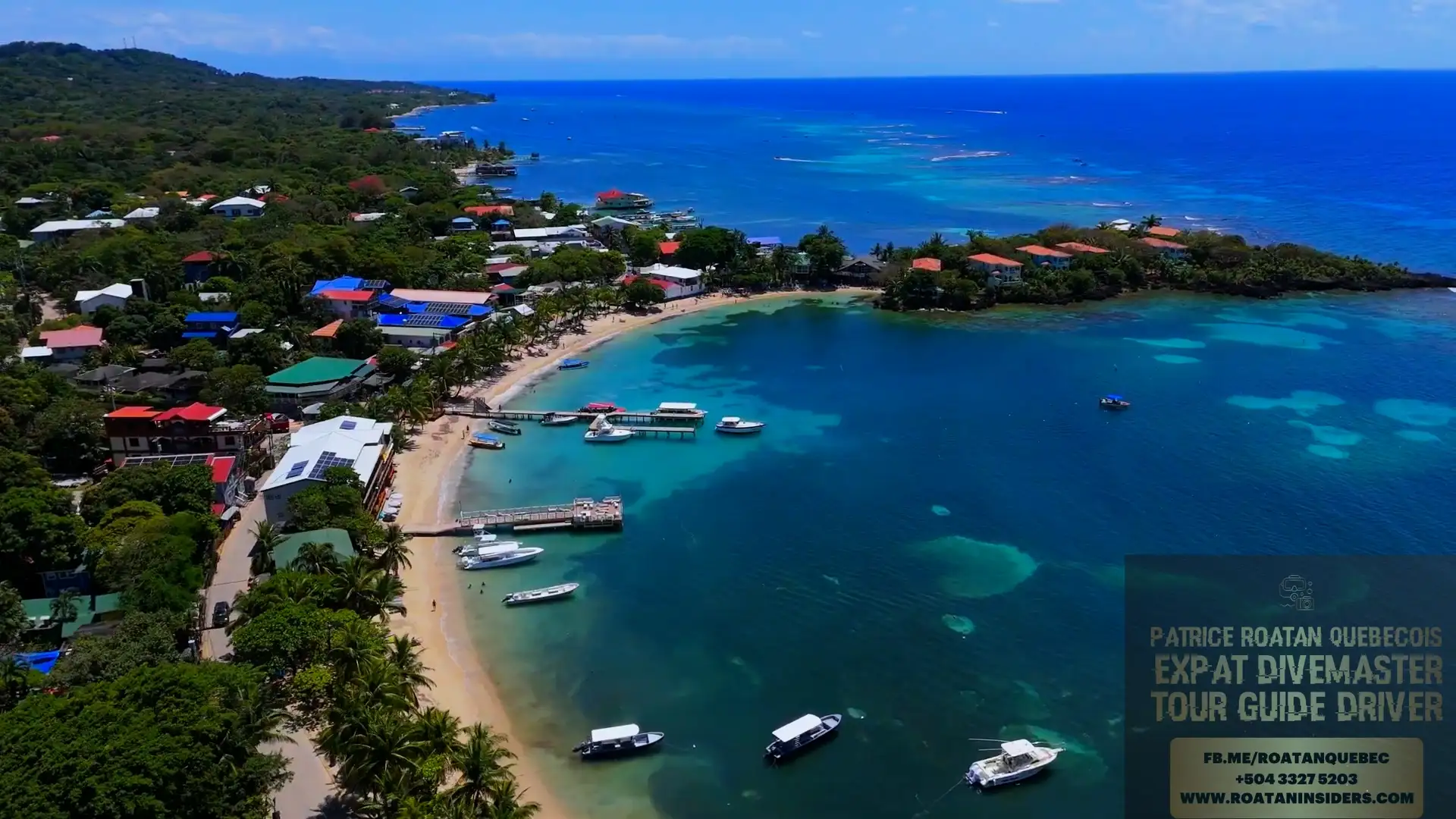
If you’re planning your next sun vacation and comparing Cancún, Punta Cana, Costa Rica, Tulum, or Jamaica, you’re not alone, these are the pillars of North American sun-and-sand travel.
The problem is they often share the same frustrations: packed beaches, thousand-room megaresorts, prices climbing every year, or logistics spread across multiple regions.
Have you considered Roatán, Honduras?
As a longtime island resident, I get dozens of English-speaking travelers every year who compare Roatán to these better-known destinations before making the jump. Here’s the honest comparison, destination by destination.
Cancún and the Riviera Maya
Cancún and its region (Riviera Maya, Playa del Carmen) are the benchmark for North American all-inclusive travel, for good reason: beautiful beaches, abundant direct flights, massive tourism infrastructure. Resorts like Moon Palace Cancún, Excellence Playa Mujeres, Grand Velas Riviera Maya, Riu Cancún, and the park-resort Xcaret: one of the most-searched names in the entire region, illustrate the formula well: thousands of rooms, multiple pools, everything designed so you never have to leave the property.
That’s exactly where Roatán is different. There’s no 3,000-room megaresort here, hotels are human-scale, and local life (restaurants, markets, public beaches) stays accessible and alive, not hidden behind a resort gate. Roatán’s reef is part of the same Mesoamerican Barrier Reef system as Cancún and Cozumel, same ecosystem, far fewer boats and divers around you.
The honest trade-off: Cancún wins on direct-flight volume and budget-hotel variety. Roatán wins on authenticity and quiet.
Tulum
Tulum long had a reputation as the Yucatán’s “authentic” destination, but that reputation predates the last decade’s tourism boom. Prices climbed, crowds followed, and the “isolated boho beach shack” experience is increasingly hard to find without paying premium rates.
Resorts like Secrets Tulum still capture a lot of that demand, but Roatán offers today what Tulum offered 15 years ago: beaches that aren’t yet overrun. No cenotes here, that’s a distinctly Mexican feature, but a coral reef accessible right from the beach, something few Tulum spots can match at the same level.
Costa Rica
Costa Rica is the Mecca of ecotourism, and that’s still true, whether you’re staying at the Westin Costa Rica or a small mountain lodge. But a Costa Rica itinerary often means long drives between national parks, and the cost of living there has climbed significantly. For divers and snorkelers, Costa Rica’s coastline simply doesn’t rival the Caribbean for visibility or reef density.
In Roatán, nature comes to you: snorkel straight off your hotel beach (like at West Bay), visit an animal sanctuary with sloths and monkeys 30 minutes away, cruise through jungle and mangroves. You get the ecotourism-plus-beach balance that Costa Rica can’t really deliver in one trip, usually at a lower cost.
Punta Cana and the Dominican Republic
Punta Cana and the Dominican Republic dominate the North American all-inclusive market, direct flights, massive infrastructure, competitive base package pricing. Resorts like Hard Rock Punta Cana, Majestic Elegance Punta Cana, Bahia Principe, and Dreams Punta Cana: among the most-searched hotel names for the entire region, illustrate that well-oiled machine: thousands of rooms, a standardized formula, zero surprises.
Roatán doesn’t play in the same tourism-volume league, and that’s exactly the point: less mass tourism means fewer pushy street vendors, fewer beaches wall-to-wall with lounge chairs, and an island that hasn’t been entirely shaped around volume tourism. The trade-off: fewer ultra-budget hotel options, and less-developed direct-flight infrastructure from North America, though that’s changing with Air Canada’s new direct flight starting December 2026.
Jamaica
Jamaica shares Roatán’s English-speaking Caribbean culture and laid-back vibe, but at a very different scale and level of tourism development (Montego Bay and Negril are far more built up). Resorts like Sandals Jamaica: among the most-searched hotel names in the Caribbean, dominate that market. For travelers who want the Jamaican vibe without the density of its best-known zones, Roatán offers an interesting trade: same Caribbean Sea, same warmth, far fewer people.
Cozumel
Cozumel is world-renowned for diving, deservedly, it’s a world-class spot. The difference with Roatán is mostly one of scale and traffic: Cozumel sees a far higher volume of cruise passengers and divers, which means more boats at the best-known dive sites. Roatán offers comparable reef quality with generally lower pressure on its lesser-known spots.
Aruba, Belize, Turks & Caicos, Bahamas
These destinations share Roatán’s postcard-Caribbean promise, but usually at higher budgets (especially Turks & Caicos and the Bahamas, among the priciest in the Caribbean). Roatán delivers a comparable Caribbean experience, reef, beaches, warmth, at a generally lower cost for stays and excursions, with English-speaking, on-the-ground support these destinations don’t offer in any organized way.
A Canadian who actually lives here: not a seasonal contractor
The biggest fear when picking a lesser-known destination isn’t just the language barrier, it’s not knowing who to trust once you land. Anyone can rent a boat and call themselves a “tour guide.” I’m not that.
I’m a Canadian expat who has lived on Roatán full-time since 2014: not someone who flies in for the season. That matters for two reasons most travelers care about most: safety and quality. I know which boats are properly maintained, which operators cut corners, which beaches and neighborhoods are genuinely fine after dark and which aren’t, and I vet every excursion I run or recommend the same way I’d want it vetted if it were my own family.
Here’s what that gets you in practice:
- Vetted, safety-first excursions: Island Tour (brewery, sloths, beach clubs), Pigeon Cay (swim with nurse sharks), West Bay snorkeling, plus newer transport-only options to Little French Key and zipline courses
- Straight answers before you book anything: including telling you when a different option (mine or someone else’s) is genuinely the better fit
- End-to-end logistics handled by someone who lives here: transfers, accommodation coordination, and a real person to call if anything goes sideways during your trip, not a call center
Message me with questions even before you’ve booked a flight, that’s usually when local, honest advice is worth the most.
Conclusion: the right trade-off, not the perfect destination
No destination is perfect for everyone. Cancún wins on direct flights, Punta Cana on base package pricing, Costa Rica on land-based ecotourism, the Bahamas on prestige. Roatán wins on balance: world-class reef, human scale, fewer crowds, and English-speaking support you won’t find anywhere else in the region at this level of personal attention.
If you’ve been searching “Cancún alternative,” “Caribbean without the crowds,” or “Mexico alternative Caribbean”: consider this your sign.
Ready to compare for real? Contact me directly, I’ll tell you honestly what Roatán can offer versus what you had in mind, without trying to sell you a destination that isn’t the right fit.
Frequently asked questions
Is Roatán a good alternative to Cancún?
Yes, especially if you want to avoid 3,000-room megaresorts and packed beaches. Roatán sits on the same Mesoamerican Barrier Reef as Cancún and Cozumel, the world's second-largest, but as a small, intimate island instead of an industrial hotel zone. The trade-off: less giant-scale tourist infrastructure, more authenticity.
Is Roatán cheaper than Punta Cana or the Dominican Republic?
Generally yes, especially once you're on the ground. Big Dominican all-inclusive resorts can be price-competitive on the room rate, but extras, excursions, off-resort dining, transport, tend to cost less in Roatán, which is still a less touristically developed destination.
Costa Rica or Roatán for diving and snorkeling?
Roatán, no contest. Costa Rica shines for land-based ecotourism (volcanoes, rainforest, wildlife), but its coastline doesn't rival the Caribbean for water clarity or reef density. Roatán gives you both the ecotourism (jungle, sloths, monkeys) AND one of the best reefs in the Caribbean, steps from the beach.
Tulum or Roatán for a more authentic vacation?
Roatán. Tulum is beautiful but has been reshaped heavily by mass tourism over the last decade, and prices have climbed with it. Roatán is still a place where tourism operates at a human scale, no crowds to manage just to see a beach or a reef spot.
Will I find English-speaking support in Roatán like I would in Mexico or the Dominican Republic?
That's exactly my specialty. Mexico and the Dominican Republic built out English/French tourist infrastructure over decades (package deals, local guides). Roatán doesn't have that at scale, except me. I'm a longtime island resident, and I handle transfers, excursions, and accommodation logistics in English from start to finish.