Moving to Roatán: An Honest Guide From a Resident
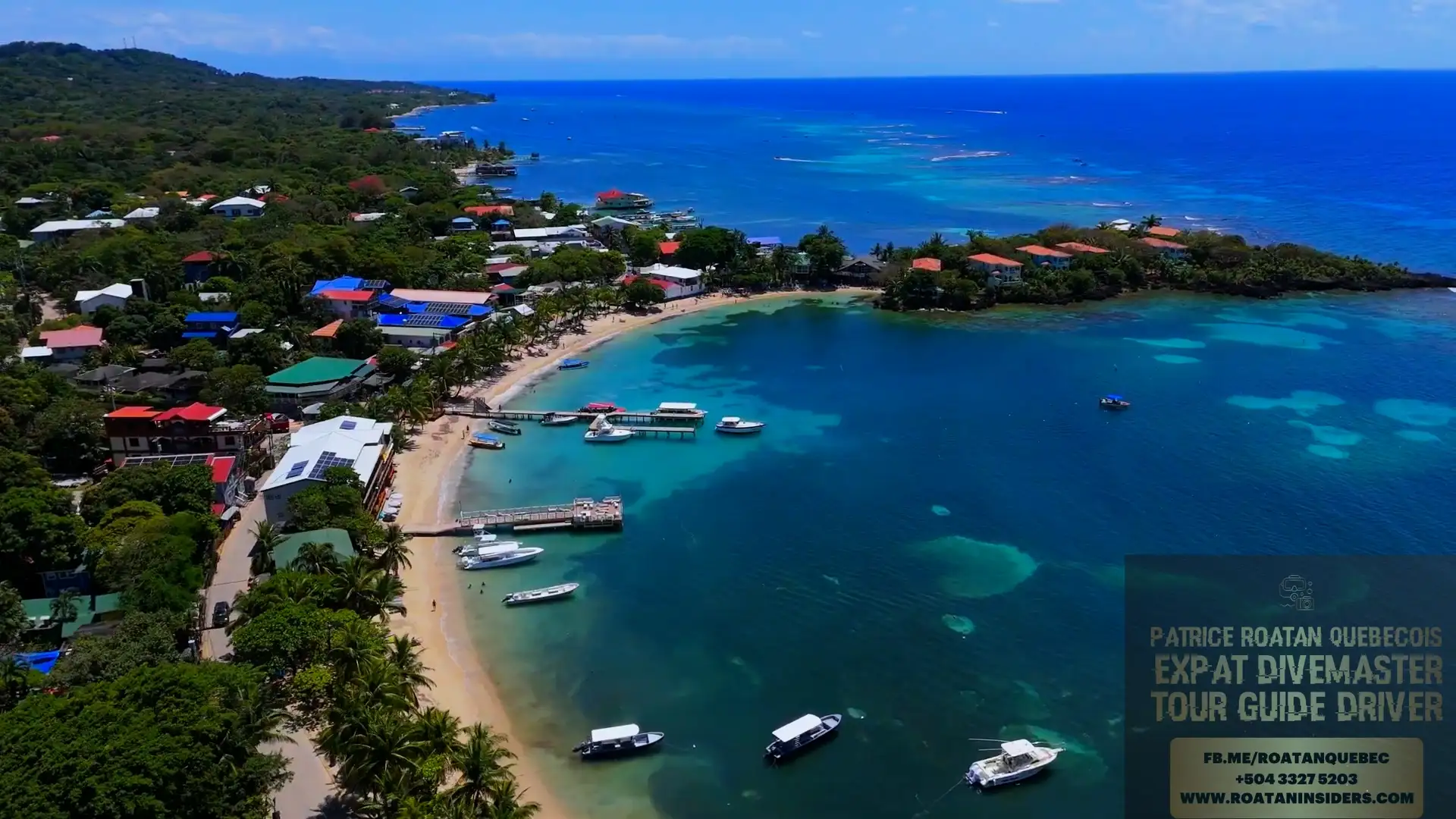
Thinking about moving to Roatán? The short truth: yes, it can be one of the best decisions of your life, but it isn’t a full-time postcard. I arrived in December 2014 and I’m still here. Here’s the honest picture, the dream AND the friction, with no filter and no rose-colored glasses.
Why people want to live in Roatán
Let’s start with the good, because it’s real. The second-largest coral reef in the world sits minutes from the beach: you can dive or snorkel almost any day of the year. The pace is slow, island time is a real thing, and once your nervous system adjusts, going back to the North American rush gets hard.
A lot of people also find that the cost of living is lower than in Canada or the US. And a big bonus if English isn’t your first language: in the Bay Islands, English is spoken pretty much everywhere, so you’re not totally lost the moment you land. The reef, the warmth, the simplicity, it’s a genuine pull, not just a tour operator’s ad.
The real price of the dream: friction
Now for the part the dreamy Facebook groups often forget to tell you. Living on an island means accepting a recurring list of frustrations:
- slow island bureaucracy: paperwork takes as long as it takes;
- unreliable power and water: outages are part of life;
- island time: charming on vacation, less so when you’ve been waiting three days for a plumber;
- limited specialized healthcare: a serious case gets flown to the mainland or the US;
- importing goods: slow and expensive, and it arrives when it arrives;
- hurricane season: June to November, you watch the sky;
- island fever: the small community is warm, but it can start to feel tight.
On an island, everything is possible but nothing is simple. The real question isn’t if the power will go out, but when, and whether it’ll ruin your day.
The health point is worth repeating: for everyday stuff, the local clinics do the job. For a real emergency, you’re far from everything. Medical insurance with evacuation isn’t a luxury here, it’s the baseline.
Residency and visas: the one rule to remember
Many foreigners live here as “perpetual tourists”: they leave the country periodically to reset their status (the famous visa runs) instead of applying for official residency. Others go through the residency process. Both exist, and each has its trade-offs.
One rule, and I’ll put it in bold: never get your visa information from Reddit or Facebook. The rules change, and a comment from 2022 can cost you dearly today. Hire a reputable local immigration lawyer and get the current steps confirmed for your exact situation. I’m deliberately not giving you any numbers or timelines here, precisely for that reason, go get the current professional advice.
The cost of living in Roatán
It depends heavily on your lifestyle: living “like a local” versus “like in North America” is not the same price.
- Rent: a wide range, from a small local apartment to an ocean-view villa. Rent before you buy, more on that below.
- Groceries: local products (fruit, vegetables, fish, chicken) are affordable; anything imported (cheeses, North American brands, electronics) costs a premium.
- Transport: shared taxis and local buses are cheap; your own vehicle is comfort, but the island’s salt air wears mechanics down fast.
Buying property: go slow
The classic foreigner trap: falling in love with a view and wiring money on a handshake. Never do that.
- Rent for a long time before you buy, at least a full season, ideally more.
- Get a title check done by an independent lawyer, not the seller’s.
- Be wary of murky titles, especially outside well-established areas.
Property in Roatán can be a great move, but only with a lawyer on your side and zero pressure from anyone.
Working in Roatán
Three main paths are open to you:
- Tourism: guides, resorts, restaurants, and above all diving: becoming a PADI instructor is a classic for the expat who settles in.
- Remote work: increasingly common. Internet has improved a lot (fiber in several areas), but always keep a backup plan: a cellular data fallback for the days it drops. If your job can’t forgive an outage, test the connection before you sign a lease.
- Your own small business on the island.
Important note: working legally may require the proper status. Again, confirm that with your lawyer, not with a thread.
Where to actually start
If I had to boil down my advice for a friend thinking about making the jump:
- Visit in low season too, not just in February. Come feel the September heat, the rain, hurricane season, that’s when you learn whether you really love the island.
- Rent before you buy. Always.
- Learn some Spanish. English is enough to get by, but Spanish opens the real island and earns local respect.
- Talk to residents in person, not just to online threads.
On safety, forget the mainland headlines: I wrote the honest breakdown in Yes, Roatán Is Safe.
Roatán has kept me since 2014, the dream is real, so is the friction, and both are worth knowing before you pack your boxes. If you come to scout the island for real, I can show it to you honestly over a few outings, no rose-colored glasses.
Frequently asked questions
Is Roatán a good place to live?
For a lot of people, yes, the reef, the slow pace, and a cost of living often lower than Canada or the US make it a dream. But it isn't perfect: slow bureaucracy, power and water outages, limited specialized healthcare. It's a great choice if you accept the island friction along with the sunshine.
How much does it cost to live in Roatán?
It depends mostly on your lifestyle. Living close to local (fresh produce, fish, shared transport) is affordable, while imported and North American goods add up fast. Rent for a long time before you buy so you get a real sense of your actual budget on the ground.
Do you need residency to live in Roatán?
Many foreigners live here as perpetual tourists with periodic visa runs, while others apply for official residency. The rules change often, so don't rely on Reddit or Facebook: hire a reputable local immigration lawyer and get the current steps confirmed for your specific situation.
What is healthcare like in Roatán?
For everyday needs (clinics, dentist, minor issues), it's fine and affordable. For anything serious you're quickly limited: major emergencies are flown out to mainland Honduras or the US. Good medical insurance with evacuation coverage isn't a luxury here, it's the baseline.
What are the downsides of living in Roatán?
The real irritants: slow bureaucracy, unreliable power and water, island time when you're waiting on a service, slow and pricey imports, hurricane season, and the island fever of a small community. Nothing dramatic, but they're daily frictions you should accept going in.
Can I work in Roatán?
Yes, especially in tourism (guides, resorts, diving, becoming a PADI instructor is a classic) or online remote work, which is increasingly common. Internet has improved but keep a backup plan. Working legally may require the right status, so always confirm with your lawyer.